
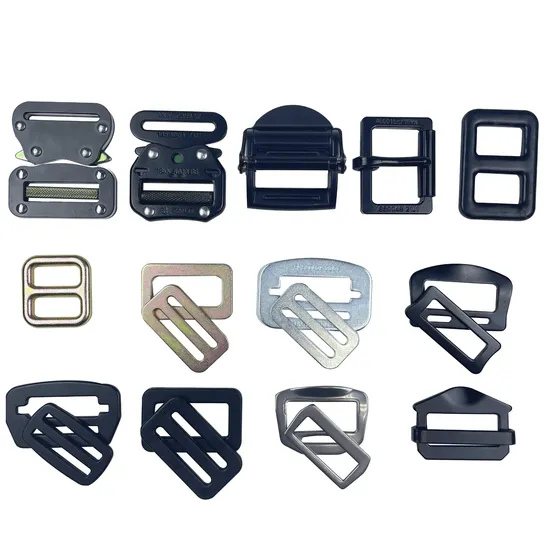
Wholesaling fall protection hardware from China follows a structured process focused on supplier vetting, quality control, certification compliance, and logistics. Below is a step-by-step guide:
1. Define Your Product & Market Requirements
First, clarify your exact needs to narrow suppliers:
- Product types: Safety harnesses, lanyards, fall arresters, anchor points, connectors, rope grabs, etc.
- Target market standards:
- EU: CE, EN355, EN361, EN795
- US: ANSI Z359
- China: LA (Safety Label), GB standards
- Specs: Material (polyester, nylon, steel), load capacity, length, color, custom branding.
- MOQ & budget: Most factories require 50–1,000 pcs per item; negotiate based on volume.
2. Find Reliable Suppliers
Online Platforms
- Alibaba.com: Filter for “Gold Supplier,” “Audited Supplier,” and trade assurance.
- Made-in-China.com: Specialized in industrial safety; many fall protection manufacturers listed.
- Global Sources: Focuses on verified factories and trade shows.
Offline & Industry Channels
- Trade shows: Canton Fair, China International Hardware Show, Shanghai Safety Fair.
- Factory visits: Prioritize manufacturers in Jiangsu, Shandong, Hebei (major safety equipment hubs).
- Referrals: Industry associations or importers with China experience.
3. Vet & Qualify Suppliers
Conduct due diligence to avoid risks:
- Check certifications: ISO 9001, CE, ANSI, LA; request test reports from third-party labs (e.g., SGS, BV).
- Verify capacity: Production lines, QC processes, lead times, and export experience.
- Request samples: Test durability, fit, and compliance before bulk orders.
- Review references: Ask for client lists and export records.
4. Negotiate & Finalize Terms
- Pricing: FOB vs. EXW; confirm unit price, MOQ discounts, and payment terms (T/T, L/C).
- Lead time: Typically 25–45 days for production; confirm shipping schedules.
- Packaging: Custom boxes, labeling, barcodes for your market.
- Contract: Include quality specs, certification guarantees, penalty clauses for delays/defects, and intellectual property protection.
5. Quality Control (QC)
- Pre-production: Inspect raw materials (e.g., webbing, steel) against specs.
- In-line: Monitor production at key stages (weaving, sewing, assembly).
- Pre-shipment: Third-party inspection (AQL standard) to verify quantity, workmanship, and labeling.
- Retest certificates: Ensure batch test reports match your order.
6. Logistics & Shipping
- Incoterms: Use FOB Shanghai/Ningbo for clarity on responsibility.
- Freight: Sea freight (cost-effective for bulk) or air freight (fast for small orders).
- Customs: Prepare commercial invoice, packing list, bill of lading, CE/ANSI certificates, and origin documents.
- Import duties: Research tariffs for your country (e.g., EU, US) for safety equipment.
7. After-Sales & Compliance
- Warranty: Negotiate defect replacement or repair terms.
- Recall readiness: Keep batch records and test reports for regulatory audits.
- Reorder: Build long-term partnerships for consistent quality and better pricing.
Key Risks & Mitigation
- Non-compliance: Only work with suppliers holding valid, up-to-date certifications.
- Quality issues: Mandate third-party inspections and sample approvals.
- Delays: Confirm production capacity and include penalty clauses in contracts.